
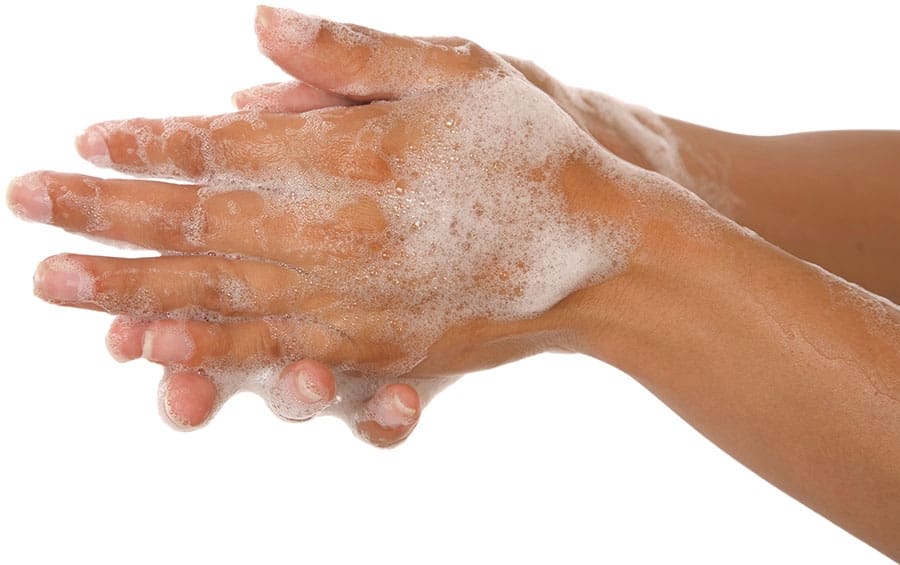
Bacteria can come in many different shapes and sizes with varying degrees of severity. It is important to note that not all bacteria are bad, as many of them are helpful and essential to life. The difference between non-pathogenic and pathogenic bacteria is that non-pathogenic bacteria is considered useful, while pathogenic bacteria (such as germs) are more dangerous because they can carry diseases. When it comes to aesthetics, pathogenic bacteria presents reasons for concern.
1. Know the difference between sanitizing, disinfecting, and sterilizing. While, there are different ways to clean products and the client’s skin before treatments, the majority of these cleaning practices will fall into one of the three categories: sanitizing, disinfecting, and sterilizing. Sanitization removes many, but not all, microorganisms and can remove gross contamination. For sanitizing, water and soap is often used, similarly to washing the hands. In order to disinfect an object or surface, it must first be sanitized. Disinfection will remove microorganisms except endospores and viruses and involves actions such as boiling and using a variety of chemical products. Lastly, sterilization is the strongest form of cleaning and will kill all microorganisms, along with endospores and viruses. This is achieved through chemical sterilization, applying heat (steam, incineration), gas, and pressure.
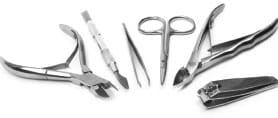
3. Disinfect products and work area both before and after use. An easy but crucial step in preventing contamination is to properly clean products such as tweezers, scissors, and clippers before and after treatments. This helps prevent the spread of bacteria from one client to another. To properly disinfect a product, first wash it with warm water and soap, followed by a disinfecting spray or detergent. The products used are not the only objects that need to be properly disinfected. Following each client, it is important to clean the work area including chairs, beds, and countertops.
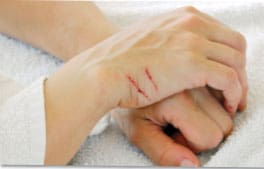
5. Keep an appropriate distance from the client. No matter what treatment is being performed, a reasonable amount of breathing space should be kept between the skin care professional and the client. For many treatments, such as eyelashes and manicures, wearing face masks has become the norm. Should the professional or the client be sick or feeling under the weather, wearing a mask is essential to preventing an illness from spreading.
6. Use fresh and clean linens for all clients. With every new client, be sure to change the linens. Once the client’s treatment is done, place the dirty towels and linens in the proper container. Be sure that these clean and dirty containers are clearly labeled and closed according to health codes.
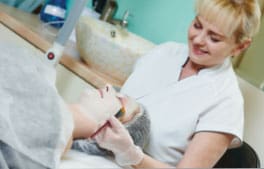
8. Before treatments, examine the client’s skin for signs of visible infection or skin disorders. Always refer clients to a physician if anything is found that is not recognizable. Skin care professionals should never diagnose clients, even if they think they recognize a medical condition. The presence of either of the above can help to better determine how to prevent bacterial contamination and which steps to take for proper sanitation.
9. Try to use products that utilize pumps. Products such as creams or liquids are best when they come in the form of pumps because there is never a need for the professional’s or the client’s hand to come in direct contact with the opening of the pump. This prevents possible contamination through constant direct contact with the product.


No comments yet. Be the first to comment!




















0 Comments