

Eye puffiness is caused by excess fluid that has collected in the orbital eye area, an indicator of one or more underlying causes. In most cases, this problem will resolve either on its own or after simple self-help treatments and lifestyle changes. Since puffy eyes can be a symptom of more serious eye conditions and health problems, chronic swelling should be assessed by a physician.
1. Lack of sleep and sleeping flat can allow fluid to accumulate in the eye area. Contributing factors include a bad mattress, sleep disorders, sleep apnea, mid-life hormone changes, sleeping with infants and small children, poor late night time management, jet lag, graveyard-shift jobs, and interrupted daytime sleep. Clients should sleep on their back with their upper body slightly elevated. This posture allows fluids to drain from their face. They should also create a consistent bedtime routine and aim for seven to eight hours of uninterrupted sleep on a consistent basis.


3. Swelling can be caused by dermatitis, dry eye, blepharitis, conjunctivitis, styes, and other more serious eye infections. Clients should see a physician if the condition persists for more than a few days.

5. Inflammation of eye tissue can cause watering, redness, light sensitivity, swelling, and eyelid retraction. In Graves’ disease, swelling of tissue in the eye socket can push the eye forward, causing the eye to swell and bulge. Have clients make an appointment with an endocrinologist for diagnosis and treatment to restore thyroid function and treat thyroid eye disease. Also, avoid inflammatory foods such white potatoes, tomatoes, tomatillos, bell peppers, eggplants, and goji berries.


7. Sodium-rich foods include salty snacks, soups, fast food, ramen noodles, processed foods, dairy, artificial sweetener, seaweed, sports drinks, and more. Clients can try switching to a low carbohydrate diet with fewer processed foods and stop consuming dairy. Dairy is linked to allergies, water retention, bloating, puffy eyes, acne, and other health problems.

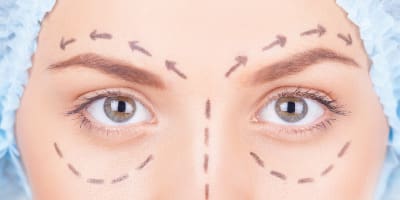
9. As people age, the tissues around their eyes weaken, a process that is accelerated by sun exposure, alcohol, smoking, and rubbing. Genetic fat deposits under the eyes can appear in youth and gradually worsen with age. For this factor, clients can have a plastic surgeon perform a transconjunctival blepharoplasty to address excess fat through an incision placed inside the lower eyelid.
10. Inadequate water intake causes dehydration and water retention, which can lead to puffy eyes, dark circles, bloating, dry skin and scalp, uneven skin tone, and more. Clients can eliminate or cut back on known offenders, increase water intake, and be consistent. They should drink enough water to equal half their weight in ounces. For every dehydrating beverage and salty meal, drink extra water. Clients should increase their water intake if they take medications like prednisone, which cause severe puffiness.
The highest recommended combination is getting good night’s sleep with the upper body elevated, drinking 80 ounces of water a day, controlling allergies, cutting back on salt and alcohol, not smoking, wearing sunglasses, and applying cold compresses as needed.

No comments yet. Be the first to comment!





















0 Comments