

The 30s are often described as an “in-between” decade. Most patients still feel youthful and often look it – yet beneath the surface, subtle biological changes are beginning. This is the decade when skin aging quietly shifts from theoretical to biological, and where early, thoughtful intervention can make a meaningful long-term difference.
BENEATH THE SURFACE
Collagen production peaks in our mid-20s and then slowly declines by about 1% per year. In the 30s, this loss isn’t dramatic, but it is enough to start changing the architecture of skin. Clinically, we begin to see early midface volume loss, softening of contours, and fine lines that may appear even when the face is at rest, known as static rhytids. These are often the first signs that aging is no longer just dynamic, but structural.
Neuromodulators
Neuromodulators can certainly be helpful at this stage, particularly for repetitive muscle movement that contributes to early lines. However, neuromodulators alone are never the full solution. Skin aging is multifactorial, and long-term outcomes depend on addressing skin health at a deeper level, supporting collagen production, maintaining hyaluronic acid and ceramides, preserving barrier integrity, and encouraging healthy cellular turnover.
THE HOLY GRAIL
Daily broad-spectrum sunscreen remains the most important preventative step in this decade. The sun exposure accumulated in our teens and 20s often begins to show itself in the 30s as uneven pigmentation, subtle texture changes, and early photodamage. Alongside consistent sun protection, retinoids become one of the most valuable tools we have.
REWRITING RETINOIDS
Retinoids work by increasing collagen production, accelerating cellular turnover, improving texture, refining tone, and softening fine lines. While they have a reputation for causing dryness, redness, and sensitivity, these reactions are often the result of using the wrong form or strength for skin. When chosen thoughtfully, retinoids can be both effective and well tolerated.
Retinoic acid, found in prescription formulations such as tretinoin and tazarotene, is the most potent form, as it is already active and requires no conversion in skin. While highly effective, it can be too aggressive for some patients at this stage. Retinaldehyde, which requires only one conversion step to become active, offers a strong balance between efficacy and tolerability. Traditional retinol, which requires a two-step conversion process, remains an excellent option in the 30s and is often ideal as both a preventative and corrective strategy when used consistently.
THE INTERNAL & THE EXTERNAL
Hormones also begin to play a more visible role during this decade. While major hormonal decline isn’t universal in the 30s, fluctuations related to pregnancy, postpartum changes, chronic stress, poor sleep, and early perimenopausal shifts can impact skin quality. These changes may influence collagen production, hydration, inflammation, and pigment regulation, often presenting as dullness, uneven tone, or changes in elasticity.
Lifestyle factors further influence these shifts. Chronic stress and disrupted sleep increase cortisol, which can impair barrier function and accelerate collagen breakdown. Glycation, driven by metabolic and dietary factors, also begins to contribute to stiffness and loss of elasticity. Together, these internal and external influences reinforce the importance of treating skin holistically rather than in isolation.
TAPPING INTO THE SOURCE
The 30s are the decade to get serious about collagen, both protecting what is already there and encouraging new production. Collagen and elastin are the foundation of skin health and play a central role in the outcomes of nearly every treatment. This is where biostimulatory treatments can be especially impactful. By stimulating the body’s own collagen rather than simply replacing volume, they support skin quality in a more natural and sustainable way. When placed thoughtfully, including along areas of ligamentous support, biostimulators help maintain structure, elasticity, and lift.
One of the reasons biostimulation works so well in the 30s is the hormonal environment. With regenerative capacity still relatively intact, skin is often more responsive, allowing these treatments to work in harmony with natural repair processes and produce results that age well over time.

SETTING THE STAGE
Aging in the 30s is less about fixing problems and more about setting a direction. With an intentional focus on skin health, collagen support, barrier function, and prevention, this decade becomes a powerful opportunity to influence how skin will age in the years ahead.
 J
J
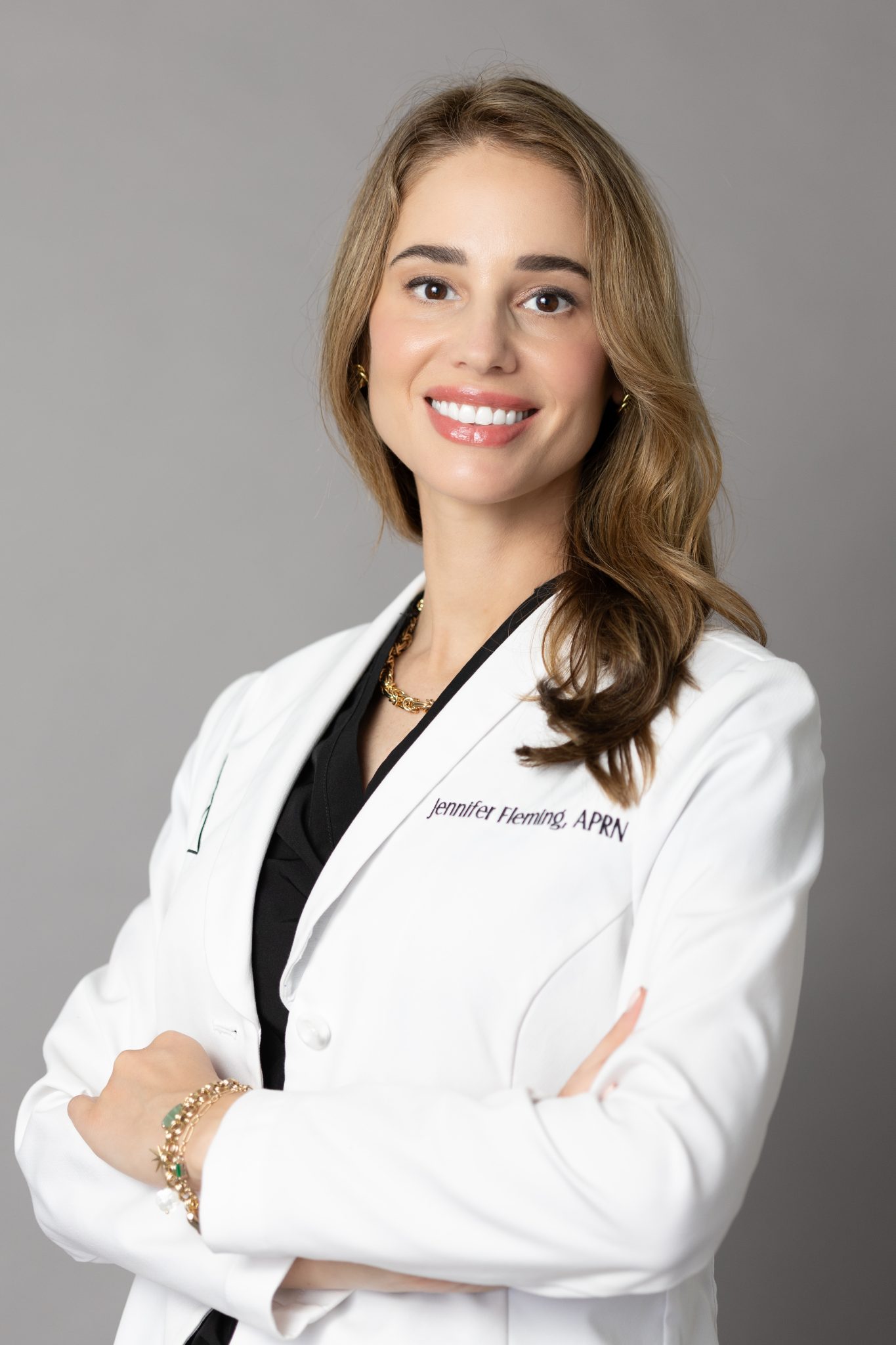
ennifer Fleming, founder of The Alchemy Clinic, is an advanced practice nurse specializing in aesthetic and wellness medicine. As the only nurse practitioner in New Hampshire to hold the Certified Aesthetic Nurse Specialist (CANS) credential, she brings exceptional medical expertise and precision to her work. Fleming combines evidence-based practice with an artistic touch to achieve natural, confident results for her patients. She is especially passionate about educating others on the role of menopause in women’s health and beauty decisions – helping both practitioners and patients understand its long-term effects and the importance of preparation well before it begins.
No comments yet. Be the first to comment!





0 Comments