

Sensitive is the new normal. Between stacked at-home actives, overlapping procedures, and year-round ultraviolet exposure, more clients present with subclinical redness, stinging with water, and a chronically irritable barrier. Think of micro-inflammation as a low, persistent hum of reactivity that quietly sabotages outcomes. The task for professionals is to deliver visible renewal without adding further injury.
MICRO-INFLAMMATION, MACRO-IMPORTANCE
This is not a dramatic post-procedure flare. It is the baseline flush that never fully settles, tightness after cleansing, product “zing” where comfort used to be, and makeup that skips across texture by late afternoon. Left unaddressed, this background noise disrupts corneocyte cohesion, increases transepidermal water loss (TEWL), slows healing, and reduces tolerance for otherwise appropriate treatments. When the barrier is noisy, everything else gets harder.
FROM INJURY TO REGENERATION
Classic peel logic equates change with controlled damage; apply an agent, create a wound, trigger repair. That model can work well when the barrier is strong and timing is thoughtful, but when skin is already sensitized, stacking additional chemical injury may extend downtime and erode trust. An alternative is to frame peeling as regeneration rather than dissolution. Biological, herbal-based methods rely on plant actives and skilled massage to improve microcirculation and nudge orderly turnover. Flaking may occur, but it is not the finish line. Functional improvement is with calmer tone, better hydration, less sting, and greater resilience week to week. This does not replace chemical or enzyme peels; it complements them and expands the toolbox for reactive presentations.
THE RIGHT METHOD FOR THE RIGHT BARRIER
Use the following simple pre-service filter.
Barrier Check
If there is baseline erythema, stinging with water, or recent product intolerance, stabilize for one to two weeks with fragrance-free cleansing, a ceramide-rich hydrator, and diligent sunscreen. Begin with enzyme or biological approaches, then reassess.
Active History
Nightly acids, retinoids, or DIY “peel stacking” call for a five-to-seven-day de-load before treatment.
Goal & Timeline
A glow for an event in 48 to 72 hours is not the same as remodeling post-inflammatory marks over a series. For events, consider a light enzyme or biological option for low risk and high adherence. For remodeling, map a step-up series that starts with barrier-respectful methods and introduces chemical tools once the barrier demonstrates readiness.
BARRIER-SMART
Visit one will focus on a biological “fresh-up” level to restore radiance and circulation. Add LED to temper edema. Post-care includes a gentle cleanse, soothing hydrator, mineral sunscreen, and a pause on retinoids and strong acids for five to seven days.
Visit two will happen around week two or three. This will biologically step up to address mild congestion and uneven tone. Keep sunscreen nonnegotiable and consider a light occlusive at night in dry climates.
Visit three, week five or six, will be the reassessment. Judge success by feel and function – hydration, resilience, makeup laydown – then either repeat biological work or add a conservative chemical peel for a specific endpoint. Use chemical options as targeted adjuncts, not defaults.
TECHNIQUE OVER EGO
With biological methods, technique determines outcome. New providers often under massage, cut timing short, and over promise dramatic flake. Pressure, pace, and consistency drive results. Set expectations early; success looks like steadier color, finer texture, and better daily tolerance, even when shedding is minimal. A practical post-procedure touch is a tinted soothing balm that blends camouflage with care; it improves confidence and supports sunscreen adherence.
TIMING ALONGSIDE OTHER SERVICES
Give injectables a seven-day buffer before and after any peel level. Allow two weeks on either side of heat or energy devices and prioritize repair first. Pause retinoids and strong acids for five to seven days around each visit while maintaining supportive ingredients such as niacinamide, panthenol, and ceramides. When planning deeper work near areas treated with facial hair removal, keep a seven-to-14-day window.
MEASURING WHAT MATTERS
Redirect attention from how much peeling occurred to function, feel, finish, and follow-through. Function appears as fewer signs of water loss and better tolerance to daily regimens. Feel is comfort from morning to evening. Finish is smoother makeup laydown and softer light reflectance that clients notice in the mirror. Follow-through is higher adherence to post-care and sun behavior, which compounds results over a series.
REVISITING HERBAL ROUTES
In a market crowded with acids and devices, biological peeling offers a regenerative mindset suited to reactive skin. It allows fine control over intensity through technique and protocol level, pairs naturally with barrier-supportive homecare, and builds client confidence with radiance minus peel anxiety. The goal is not to abandon acids but to sequence more intelligently. Instead, lead with barrier-respectful stimulation when the barrier is in question, then introduce chemical or combination approaches once skin proves readiness. Expect steadier outcomes, fewer cancellations, and a better-educated clientele.
References
Elias, Peter M., and Kenneth R. Feingold. Skin Barrier. CRC Press.
Proksch, Erwin, Brandner, Johanna M., and Jensen, Jens M. “The Skin: An Indispensable Barrier.” Experimental Dermatology, 2008.
Rawlings, Andrew V., and Christopher R. Harding. “Moisturizer Technology and the Stratum Corneum.” Dermatologic Therapy, 2004.
Loden, Marie, and Howard I. Maibach, editors. Treatment of Dry Skin Syndrome. Springer.
Dreno, Brigitte, et al. “Sensitive Skin: From Symptoms to Diagnosis.” Journal of the European Academy of Dermatology and Venereology, 2017.
Jackson, Alan, et al. Cosmeceuticals and Active Cosmetics. 3rd ed., CRC Press.
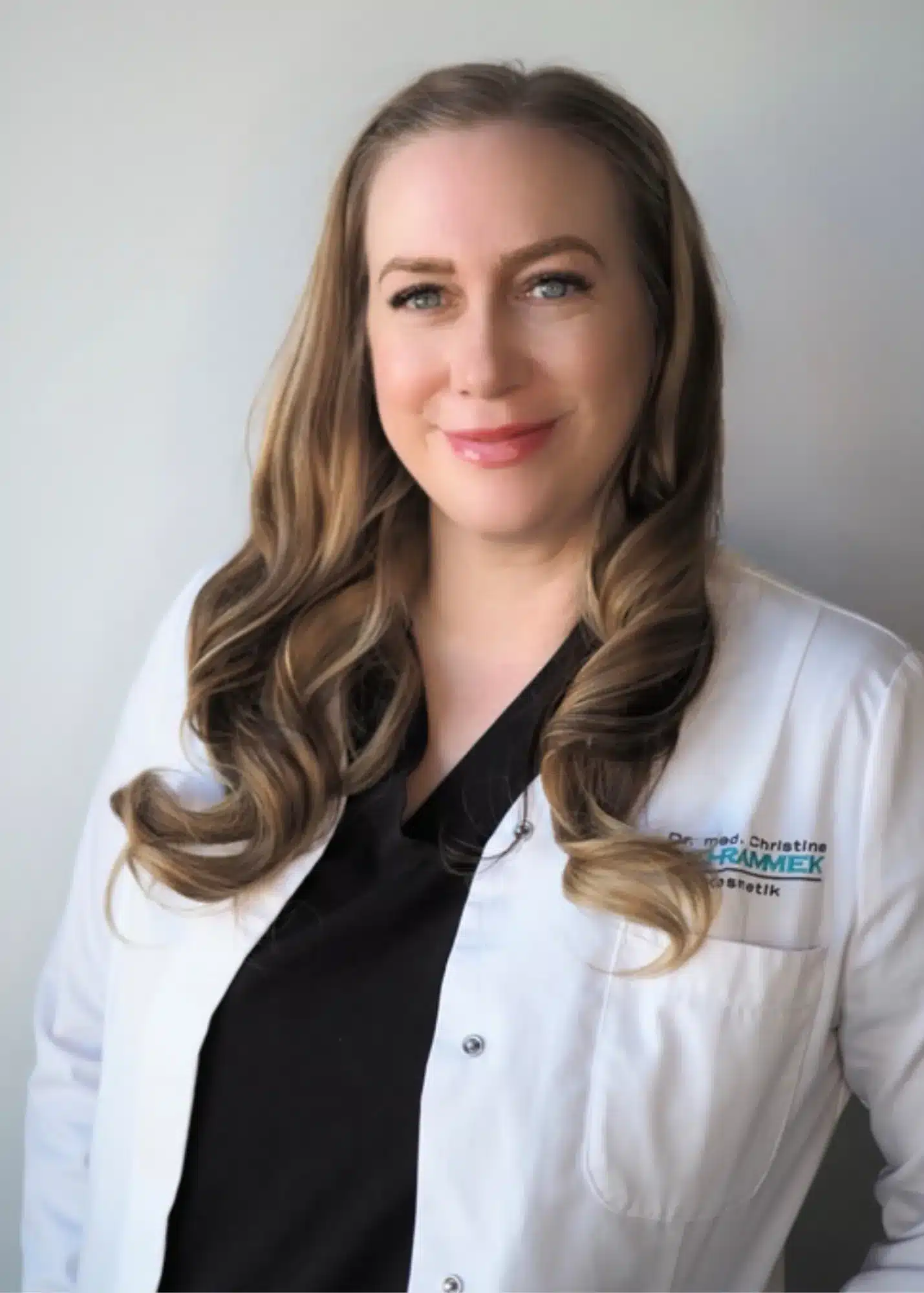
Victoria Waked is the United States head of training & education for Dr. med. Christine Schrammek, the brand behind the Original GREEN PEEL® and the Original Blemish Balm. An advanced medical aesthetician and educator, she has trained licensed skin care professionals across clinics, medical spas, and spa environments. Her ongoing education focuses on peel protocols and barrier-first care with practical pathways for sensitive or reactive skin, hyperpigmentation, acne-prone conditions, and photoaging. She develops curricula, CE-style workshops, and hands-on labs emphasizing safe sequencing, timing, and outcome-based homecare. Waked presents at national conferences and partners with teams to build scalable education and treatment menus. Contact: v.waked@drschrammek.us
No comments yet. Be the first to comment!


0 Comments