

For years, women have described their 40s as a sudden shift, as if the body they knew quietly recalibrated overnight. Now, science is beginning to validate that lived experience. A 2024 study published in Nature Aging suggests that aging is not a slow, predictable slope, but instead unfolds in biological waves, with one of the most dramatic inflection points occurring around age 44. Researchers tracking thousands of molecular markers identified sweeping shifts in pathways tied to metabolism, cardiovascular health, inflammation, immune resilience, and cellular repair during this time.
THE CHANGE BEFORE THE CHANGE
For women, this molecular pivot point aligns almost precisely with perimenopause, a phase often misunderstood, under discussed, and frequently dismissed. Perimenopause can begin up to a decade before menopause and is characterized by fluctuating estrogen and progesterone levels, with symptoms extending far beyond hot flashes. Collagen synthesis declines. Insulin sensitivity shifts. Sleep becomes fragmented. Muscle recovery slows. Mitochondrial efficiency changes. What many perceive as sudden aging is a coordinated internal recalibration affecting nearly every physiologic system.
A Key Player’s Decline
These changes are not limited to the dermis. Estrogen plays a critical role in maintaining bone density, muscle mass, vascular integrity, and connective tissue resilience. As levels fluctuate and eventually decline, subtle remodeling of the facial skeleton, redistribution of deep fat pads, decreased fascial support, and reduced muscle tone occurs. The lower face may appear heavier not solely because of skin laxity, but because of structural descent and shifting volume compartments. Aging in this decade is layered and multidimensional.
These internal shifts quickly surface in skin. As estrogen fluctuates, collagen production accelerates downward, contributing to dermal thinning and reduced elasticity. The jawline softens. Fine lines become more etched. The undereye area appears hollow or crepey. Skin may feel drier, less resilient, and more reactive as barrier function becomes compromised. Pigment irregularities intensify, particularly in women with cumulative sun exposure, and melasma may newly emerge or worsen. Healing slows. Redness becomes more persistent. Inflammatory conditions such as rosacea may flare.

On the Surface
Metabolic changes further compound visible aging. Declining insulin sensitivity and increased visceral adiposity alter body composition. Cortisol variability influences sleep, mood, and inflammation. Chronic low-grade inflammatory signaling accelerates collagen breakdown and impairs recovery. Women often describe feeling as though their body is working against them. In truth, it is responding to a shifting hormonal landscape. In other words, what appears cosmetic is often endocrine biology expressing itself at the surface.
PLAYING THE LONG GAME
Women represent nearly 87% of all cosmetic procedures according to the most recent statistics from the American Society of Plastic Surgeons. Aesthetics providers must understand the physiologic shifts occurring during this decade so we can guide women more thoughtfully, more proactively, and more holistically. Treating fine lines in isolation without acknowledging the underlying hormonal and metabolic shifts risks creating plans that are reactive rather than strategic.
An aesthetics plan during this season of life cannot rely solely on surface correction. Hormone optimization when appropriate, resistance training to preserve lean muscle mass, adequate protein intake to support collagen synthesis, sleep regulation, and metabolic support become equally as important as lasers and injectables. Energy-based devices that stimulate collagen remodeling, biostimulatory injectables that support structural integrity, and thoughtful use of neuromodulators and dermal fillers should be sequenced with intention rather than layered impulsively. When we ignore the internal landscape, we chase external corrections that never quite feel like enough.
This is also the decade to shift from reaction to prevention. Building collagen reserves earlier, protecting bone density, supporting muscle mass, and stabilizing metabolic health create a more resilient foundation for aesthetic longevity. Small, consistent interventions often produce stronger results than aggressive correction after significant structural decline.
THE MORE YOU KNOW
For those caring for women in their practices, a working knowledge of perimenopausal physiology is no longer optional. Even if you do not directly manage hormone therapy or metabolic optimization, collaboration and referral pathways are essential. Women deserve providers who recognize that their changing skin is not vanity, but physiology.
Women navigating perimenopause are often confused by what feels like rapid change. When we can explain the physiology behind what they are experiencing, we replace fear with understanding.
This decade is not a collapse; it is a recalibration. When we understand the biology driving these changes, we shift from chasing visible signs of aging to supporting the systems beneath them. When we care for women as whole systems rather than isolated concerns, we move beyond surface level correction toward biologic alignment and truly sustainable outcomes.

References
- Shen, X., Wang, C., Zhou, X., Zhou, W., Hornburg, D., Wu, S., & Snyder, M. P. (2024). Nonlinear dynamics of multi-omics profiles during human aging. Nature Aging, 4(11), 1619–1634. https://doi.org/10.1038/s43587-024-00692-2
- American Society of Plastic Surgeons. (2023). 2023 plastic surgery statistics report. https://www.plasticsurgery.org/news/plastic-surgery-statistics
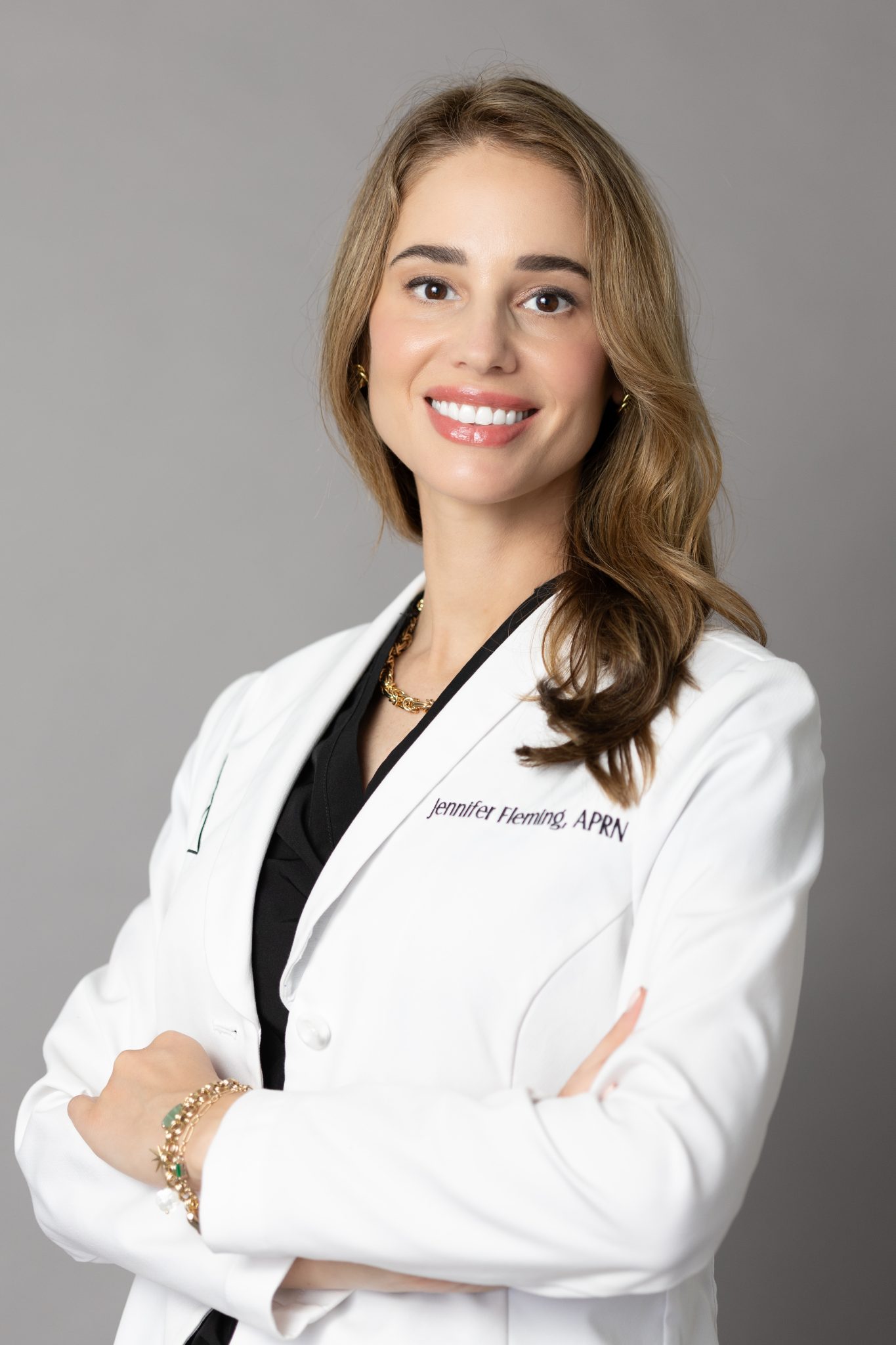
Jennifer Fleming, founder of The Alchemy Clinic, is an advanced practice nurse specializing in aesthetic and wellness medicine. As the only nurse practitioner in New Hampshire to hold the Certified Aesthetic Nurse Specialist (CANS) credential, she brings exceptional medical expertise and precision to her work. Fleming combines evidence-based practice with an artistic touch to achieve natural, confident results for her patients. She is especially passionate about educating others on the role of menopause in women’s health and beauty decisions – helping both practitioners and patients understand its long-term effects and the importance of preparation well before it begins.
No comments yet. Be the first to comment!








0 Comments