

The eyes are a window to the soul, but they do not need to be a window for harsh chemicals. Clients want to ensure that the eye creams they are using are both effective and safe. Just as with any products recommended, professionals should know and understand the ingredients that are found in the eye creams carried in the spa.
To help build that knowledge base, here are a few ingredients common in eye creams.
SOY RICE PEPTIDES
Made up of yeast enzymes and soy and rice peptides, soy rice peptides are derived from rice bran. Rice bran wastraditionally used in Japan for its skin-smoothing and sun-protective benefits. Soy rice peptides are typically yellow in color and found in liquid form. They are commonly used in eye creams, as they are water soluble and known to greatly minimize the appearance of dark under eye circles and puffiness.
PALMITOYL OLIGOPEPTIDE
Created artificially from a combination of amino and fatty acids, palmitoyl oligopeptide is used for its cleansing, skin-conditioning, and surfactant properties. This peptide is thought to aid in skin cell stability and collagen production to achieve smooth skin. Also knownas palmitoyl hexapeptide-12, it is often used in eye creams because it provides anti-aging results similar to retinoid – without causing the redness and other known side effects of retinoid.
TOCOPHERYL
Tocopheryl is commonly used in eye creams instead of tocopherol (pure vitamin E), which is more acidic and less stable than tocopheryl. Additionally, tocopheryl tends to lengthen the shelf life of the products it is used in because of its ability to withstand exposure to heat, air, and light.
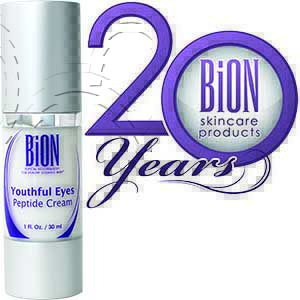 BiON Skincare Products
Dark circles and puffiness around the eyes are dramatically reduced with BiON Skincare Products’ Youthful Eyes Peptide Cream, which includes soy rice peptides. Soy rice peptides stimulate fibroblast proliferation and increase collagen and elastin synthesis and have been shown to dramatically reduce dark circles and puffiness around the eyes. Clinical studies have shown a 35 percent reduction after eight weeks of treatment. Palmitoyl tetrapeptide-7 has been clinically proven to reduce inflammation due to reduced fluid retention and swelling, resulting in increased firmness and tone of the eye area. 877-715-2466 or bionresearch.com
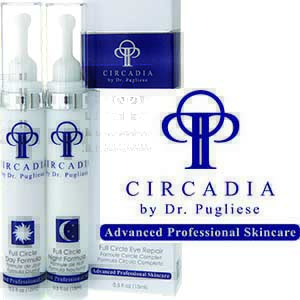 Circadia by Dr. Pugliese
Circadia by Dr. Pugliese’s Full Circle Eye Repair is an innovative product that combines peptide technology, potent vitamins, and smoothing agents to make this a system unlike any other. This treatment is the solution for anyone who has fine lines, crow’s feet, dark circles, or evidence of ultraviolet damage of the ocular area. Ingredients include chrysin, palmitoyl oligopeptide, and palmitoyl Tetrapeptide-7. 800-630-4710 or circadia.com

 FANIE International
FANIÉ International Botanical Skin Care Mfg’s Fine Line Eye Crème is blended with a delicate balance of nutrients and essential, water-soluble oils. This cream not only helps tighten fine lines around the eyes, it also naturally softens lines around the mouth and facial areas. This unique cream will not puff the skin or leave the skin feeling dehydrated. It is not greasy and is ideal for women and men. Ingredients include water, stearic acid, soybean oil, herbal seed oil, and d-alpha tocopheryl acetate. 949-598-4500 or fanie.com.
No comments yet. Be the first to comment!


0 Comments