
The beauty and skin care industry has undergone a significant transformation over the past decade, mirroring larger societal shifts toward diversity, equity, and inclusion. One of the most impactful changes is the growing emphasis on gender inclusivity, an approach that embraces clients across the gender spectrum, including transgender, nonbinary, and gender nonconforming individuals. This evolution challenges long-standing norms within aesthetics, which traditionally catered to a binary notion of gender, offering facials, waxing, and beauty services labeled as “for women” or “for men.”
While gender inclusivity has been welcomed by many as a long-overdue step toward fairness and equal access, it also comes with challenges, both practical and ideological. This article will explore the benefits and challenges of gender inclusivity in aesthetics and consider how professionals can navigate this changing landscape with sensitivity, knowledge, and professionalism.
INCLUSIVE AESTHETICS
Equal Access
At the heart of gender inclusivity is the principle that everyone deserves equal access to care. When skin professionals create inclusive environments, transgender and nonbinary clients feel welcomed and respected – something that has not always been the norm. These clients often face barriers in healthcare, beauty, and wellness industries due to stigma or lack of understanding. Gender-inclusive practices help break down these barriers, making the aesthetics space one of acceptance rather than exclusion.
All Is Well
Beauty and grooming services are often deeply tied to self-image and confidence. For many transgender and nonbinary individuals, services like laser hair removal, facials, eyebrow shaping, or makeup application are affirming acts that align with their gender identity. When skin professionals provide respectful, inclusive services, they contribute positively to the mental health and self-esteem of their clients. Feeling seen, validated, and safe can be a transformative experience for those who have often been marginalized.
Business Is Booming
Inclusivity isn’t just good ethics; it’s good business. By welcoming clients of all gender identities, skin professionals open their doors to a broader client base. Word spreads quickly within LGBTQ+ communities about safe, welcoming providers, and loyal customers often refer friends and family. Inclusive businesses often benefit from enhanced reputation, community goodwill, and stronger brand loyalty, particularly among younger generations who prioritize social responsibility in the companies they support.
Leading the Pack
Skin professionals who embrace inclusivity often position themselves as forward-thinking and compassionate professionals. Taking the time to learn about gender diversity, pronoun use, and anatomy-inclusive care elevates a practitioner’s skill set and professionalism. As the industry continues to evolve, those who lead with inclusivity are more likely to stand out, gain media attention, and attract a diverse, modern clientele.
In Alignment

As society becomes more inclusive, so too must the institutions within it. The aesthetics industry is part of the larger cultural fabric, and inclusive practices help align it with contemporary values of equity and human dignity. For many skin professionals, providing inclusive care is not just about following trends; it’s a reflection of their personal and professional ethics.
ROADBLOCKS
While the benefits of inclusivity are clear, it would be naive to suggest the transition is without obstacles. Many skin professionals face real concerns and dilemmas as they try to adapt to new norms.
Education Is Everything
One of the biggest challenges facing skin professionals is the lack of formal education around gender inclusivity. Most cosmetology and aesthetics programs are still designed around cisgender, binary gender models. As a result, many professionals feel unequipped to work with transgender or nonbinary clients, particularly when it comes to gender-affirming care like pre- or post-operative skin treatments or intimate waxing. This knowledge gap can create fear of “getting it wrong,” leading some providers to avoid these clients altogether.
Personal Beliefs
Some skin professionals may have personal, cultural, or religious beliefs that make it difficult for them to serve transgender or nonbinary clients. This can create internal conflict, especially when professional expectations clash with personal values or safety concerns. While some jurisdictions protect clients from discrimination in public accommodations, others allow exemptions based on religious freedom, creating a gray area where inclusivity becomes more of a debate than a standard.
Complex Challenges
In certain aesthetic services – such as Brazilian waxing or post-surgical skin care – gender-inclusive service requires anatomical knowledge beyond the binary. Providers may need to learn how to work with varied genitalia or hormone-affected skin, which is not typically covered in standard training. Without the right education, some may worry about unintentionally causing harm, discomfort, or embarrassment. Others may specialize in certain services for specific anatomies and feel it’s outside their scope to expand that specialization.
Backlash
In regions where inclusivity is still a contentious issue, providers may face backlash from some of their existing client base for serving transgender clients. This could take the form of uncomfortable questions, dropped appointments, or even negative reviews. Businesses must be prepared to stand firm in their values and navigate this kind of response with professionalism.
Legal & Liable
When treating clients undergoing gender-affirming procedures, skin professionals may face legal or liability concerns. For example, a client recovering from facial feminization surgery or gender-confirming surgery may need specialized aftercare. Providing the wrong treatment or failing to recognize medical contraindications could result in harm or legal action. These concerns further reinforce the need for updated training, guidelines, and insurance coverage.
FINDING THE BALANCE
Despite the challenges, skin professionals can take practical steps to build inclusive, safe, and affirming spaces while protecting themselves professionally. Here are a few strategies that can help:
Knowledge Brush Up
Many organizations now offer training on gender inclusivity in aesthetics, including LGBTQ+ cultural competency, anatomy-inclusive waxing, and respectful communication. Investing in these programs not only boosts skill and confidence but also helps mitigate the risk of mistakes or misunderstandings.
Up To Date
Simple changes can go a long way. Updating intake forms to include space for pronouns, gender identity, and anatomical notes allows clients to self-identify and feel respected. Use of gender-neutral language in marketing and service menus also signals inclusivity and professionalism.
The Transparent Professional

If certain services are outside of a professional’s training or comfort level, it’s important to communicate that respectfully, without making the client feel excluded. For example, a provider might say, “I want to ensure the best care possible, and at this time I’m not trained in this specific service for your anatomy. I’m happy to refer you to a trusted colleague who is.” This approach respects both the client and the professional’s limitations.
Safe Place
From gender-neutral bathrooms to inclusive signage and staff training, the physical and emotional environment matters. Every aspect of a client’s visit should reflect care, safety, and acceptance. Microaggressions – even unintentional ones – can ruin a client’s experience, so ongoing education and awareness are key.
Fully Immerse
Skin professionals can strengthen inclusivity efforts by engaging with LGBTQ+ communities, seeking feedback, attending pride events, and listening to real experiences. This not only fosters empathy but also helps shape services to meet the needs of all clients authentically.
THE FUTURE OF AESTHETICS IS INCLUSIVE
Gender inclusivity in aesthetics is not a fleeting trend; it is part of a larger societal evolution toward acceptance, visibility, and equality. While the road may come with challenges – ranging from personal discomfort to educational gaps – the rewards are significant: better client relationships, professional growth, ethical alignment, and business success.
The benefits of inclusivity – such as enhanced well-being, access, and community trust – clearly outweigh the challenges, most of which can be mitigated through education, communication, and intentional practice. For skin professionals, embracing inclusivity is an opportunity not only to expand their services, but to become part of a broader movement to make beauty and wellness truly accessible to all.
As with any cultural shift, the key lies in openness, humility, and a willingness to grow. And every professional has the right and responsibility to prioritize their own safety, expertise, and professional boundaries when determining the clientele, they are best equipped to serve.
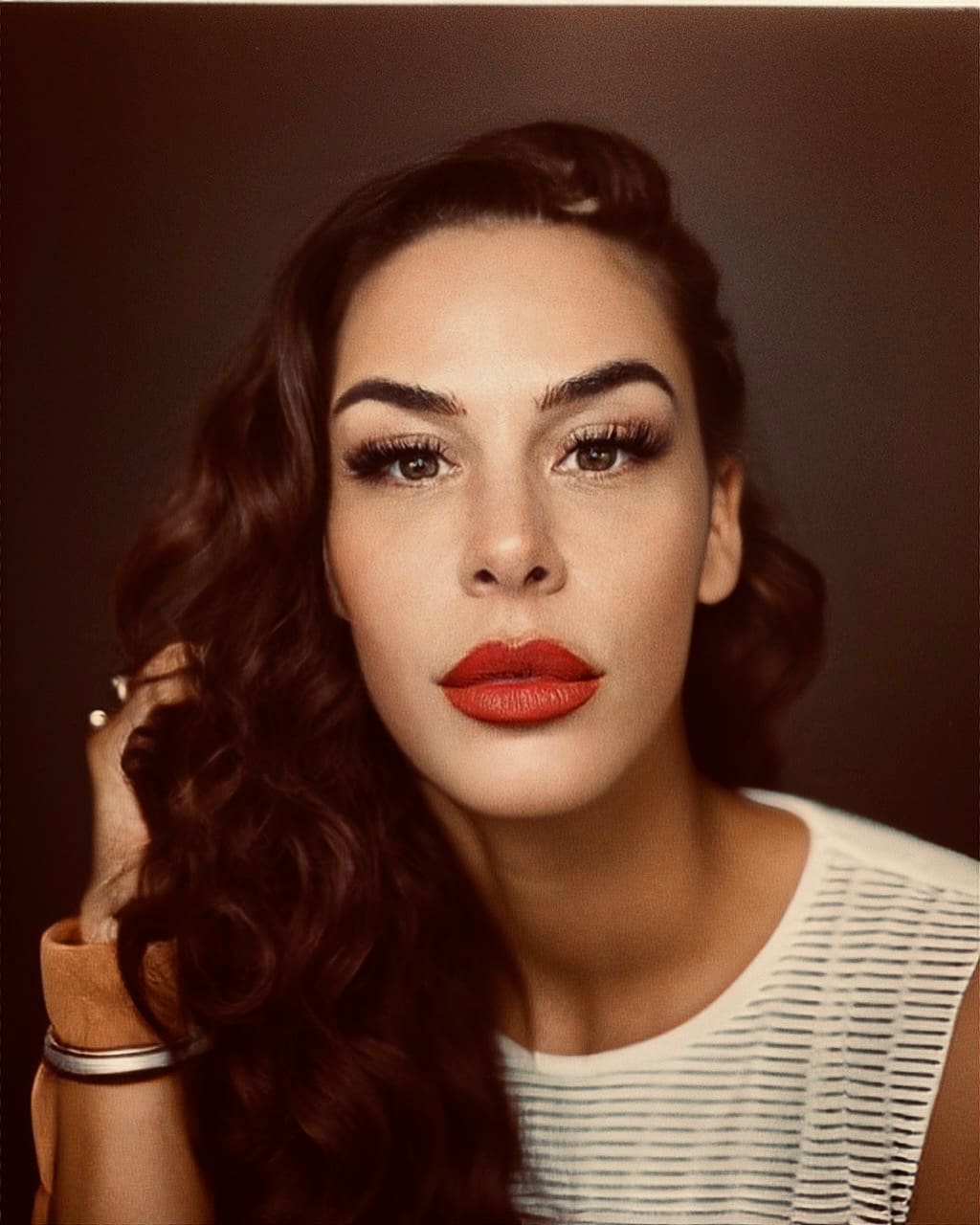
With a wealth of experience in finance, sales, the medical field, and as a licensed aesthetician, Joie Devoney has explored all faucets of the aesthetics industry. Known for her honesty, leadership, and commitment to skin health, Devoney is a trusted voice in the aesthetics community. Her point of pride is her ability to teach others at their level and gain their total understanding of the subject matter, even if it calls for her use of funny analogies or dad jokes. In less than a half decade, she has had the honor of teaching over 2,400 aestheticians and plans to further her education outreach for the greater good of the community.
No comments yet. Be the first to comment!







0 Comments