
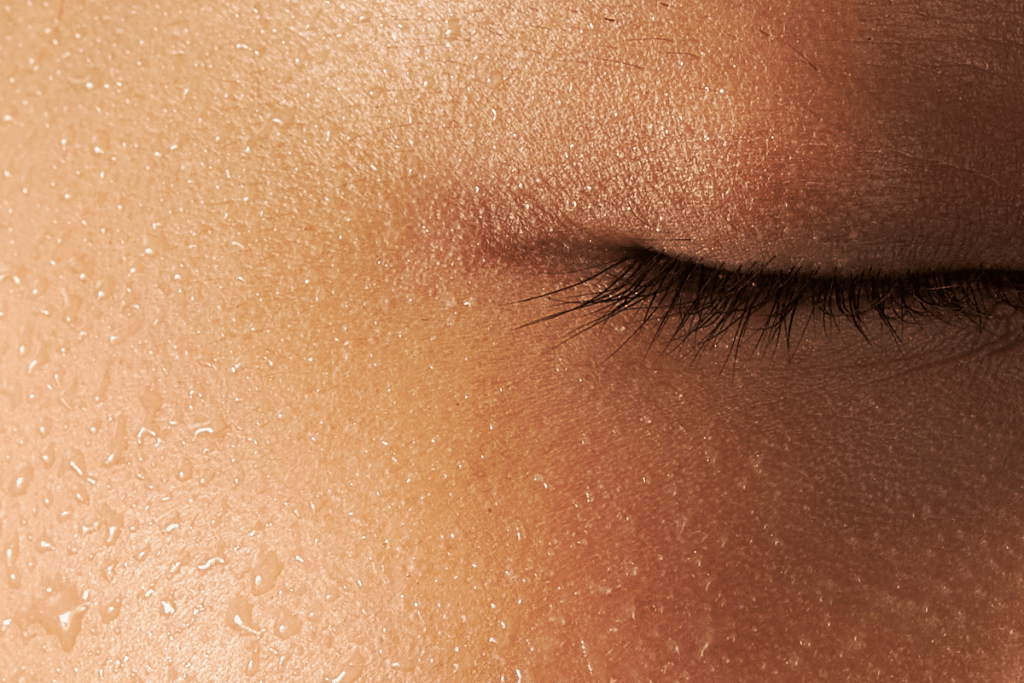
Some over-the-counter solutions in the present day tout their exfoliation capabilities, from rough beads that scrape and scratch skin’s surface to weak acidic solutions that promise to slough away dead skin overnight. Besides slapping on the customary “moisturizer” afterwards, there is a distinct lack of the rebuild pillar of the Remove, Rebuild, Protect, Maintain concept: methods that restore the function, structure, and homeostasis of the cells below skin for real, lasting improvements.
SKIN’S ARCHITECTURE
To begin rebuilding skin, professionals must first appreciate its complex architecture, extending well beyond the surface. The epidermis itself has five distinct layers: the stratum corneum, the outermost layer of flattened corneocytes that provides a protective shield; the stratum lucidum, a clear, thickened layer present only on the palms and soles for added resilience; the stratum granulosum, where keratohyalin granules organize keratin and lamellar bodies release lipids that fortify the barrier and prevent moisture loss; the stratum spinosum, home to maturing keratinocytes and immune cells such as Langerhans cells and the site where vitamin D synthesis begins when UVB converts 7-dehydrocholesterol into previtamin D3; and the basal layer, containing melanocytes and stem cells that continuously generate new keratinocytes.
Beyond these fleshy layers, skin also relies on invisible systems: the acid mantle, a barrier of sebum and sweat that protects the surface; the microbiome, a community of microorganisms that help maintain barrier function and homeostasis by modulating immune signaling and defending against pathogens; and the theoretical quantadermis, reflecting skin’s biophysical responsiveness to light and energy, which influences cellular signaling and repair.
If any of these layers (or their individual parts) are out of order, it will cause dysfunction to other layers. All these layers interplay when attempting the rebuilding part of skin revision.
Rebuilding is fundamentally restoring the function, structure, and homeostasis of every layer of skin. The goal is always to re-establish a stable environment for optimal cell performance; ample room, nutrients, and functioning processes are what lead to a healthy, smooth appearance once the cells reach skin’s surface. The most important biophysical parameters for building skin integrity are skin’s pH, epidermal hydration, and transepidermal water loss (TEWL).
FROM STRUCTURE TO STRENGTH
From the Ground Up
Vitamin C is not just important in brightening and pigmentation treatments. Ascorbic acid is an essential cofactor in collagen synthesis within fibroblasts, the factory that produces both collagen and elastin. If fibroblasts lack sufficient vitamin C, collagen cannot form correctly, compromising skin structure and resilience. There are many ways to incorporate coenzyme vitamin C into skin. Serums with the right wetting agents, followed by water-in-oil creams, are most reliable.
The Master Regulator of Healing
Skin has its own regulating barrier that, when thrown out of homeostasis, presents as chronic inflammation and sensitive skin. Ceramides, fatty acids, and cholesterol fundamentally form skin’s “mortar,” while the acid mantle creates nature’s barrier. Rebuilding the barrier after exfoliation or disease is crucial to preventing transepidermal water loss (TEWL) and microbial invasion.
The Inflammatory Cascade
Controlling inflammation is essential; chronic inflammation destroys tissue in all skin layers and slows new cell proliferation.
Now that readers have a basis for how skin and its layers interact, Rebuild Part Two will cover what actions bring skin back to a healthy functioning state.













0 Comments