

There are very few guarantees in life, but menopause is one of them for every fortunate woman who lives long enough to experience it. It may occur naturally or be brought on suddenly through surgery or medical treatment; yet, in aesthetic medicine, we often focus only on what we can see on the surface – fine lines, dryness, pigmentation, and volume loss. These visible changes, however, are just the outer reflection of a much deeper biological shift. The true cause begins long before the final menstrual period, rooted in a gradual hormonal transition that influences every organ system, including skin.
MENOPAUSE DEFINED
Clinically, menopause is defined as 12 consecutive months without menstruation, with the average age of onset being 51. However, the journey begins years earlier. Perimenopause, typically lasting four to 10 years, is characterized by fluctuating levels of estrogen, progesterone, and testosterone. These changes trigger a cascade of physical and emotional symptoms that can alter how women look and feel long before menopause officially begins.
AGING & SKIN
Humans age through a combination of intrinsic and extrinsic factors. Intrinsic aging involves genetic makeup, cellular senescence, mitochondrial decline, and the natural reduction in hormones that occurs over time. Extrinsic aging, by contrast, is largely influenced by lifestyle and environmental exposures. Chronic sun exposure, pollution, alcohol, nicotine, poor diet, and ongoing stress accelerate collagen breakdown and oxidative stress. Sleep deprivation and elevated cortisol further interfere with the body’s ability to repair and regenerate tissue. Together, these intrinsic and extrinsic factors determine how skin, and the person beneath it, changes over time.
The Effects on Skin
Skin, the body’s largest organ, is far more than a cosmetic surface. It provides protection, regulates temperature, produces vitamin D, prevents fluid loss, supports immune defense, and enables sensory perception. Every one of these functions gradually declines with age, and hormonal changes accelerate the process. Estrogen, progesterone, and testosterone all play critical roles in maintaining skin health, and their receptors are found in keratinocytes, fibroblasts, hair follicles, and sebaceous glands. When hormone levels drop, those cells lose stimulation, leading to measurable changes in texture, elasticity, and resilience.
Research has shown that estrogen levels can fall by as much as 90% in menopause, though some residual production continues in adipose tissue. This dramatic decline has profound effects: women may lose up to 30% of skin collagen in the first five years after menopause, and dermal thickness continues to decline by about 1% each year thereafter.1 Progesterone contributes to maintaining the skin’s barrier and moisture balance, while testosterone and DHEA help preserve dermal density, muscle tone, and hair growth. Hormones function like a symphony – when one instrument falls out of tune, the others adjust. But when all three wane simultaneously, the resulting imbalance becomes visible, tangible, and deeply felt.
In aesthetics, our tools and techniques are designed to treat what we see: volume loss, pigmentation, texture, and tone. Yet, the greater opportunity lies in understanding why those changes occur and addressing them from the inside out. This is not about replacing medical management or prescribing hormones in the aesthetics space, but about awareness – helping providers recognize when hormonal changes may be contributing to their patient’s concerns and knowing when to refer or collaborate with other specialists.
Women represent nearly 85% to 90% of cosmetic procedures worldwide.3 As such, aesthetics professionals are uniquely positioned to notice the subtle early signs of hormonal change – a client who says she suddenly doesn’t “feel like herself,” whose skin is drier despite consistent skin care, or whose results no longer last as long as they used to. These are not just cosmetic frustrations; they are biological clues. Despite the prevalence of symptoms, only about 20% to 25% of eligible women use hormone therapy, according to the North American Menopause Society.4 That gap represents a critical opportunity for education, empowerment, and more holistic care.
This column will explore the intricate relationship between hormones, skin, and aesthetics by decade – from the early perimenopausal years through post-menopause – and offer treatment considerations for every stage of life. We’ll look at how hormonal fluctuations affect collagen production, wound healing, pigment, and hydration, and how aesthetics professionals can better support women through evidence-based, integrative care. The goal is to bridge aesthetics, hormones, and health so women can age consciously, confidently, and authentically.
Aging is not a failure, and menopause is not the end of youth – it’s a natural transition that marks a new phase of vitality and self-awareness. When we understand the biology, we treat more effectively. When we invite patients into that understanding, they feel informed, validated, and supported. The future of aesthetic medicine lies not in fighting age, but in partnering with it – recognizing that beauty, health, and hormones are inseparably linked.
References
- Thornton, M. Julie. “Estrogens and Aging Skin.” Dermato-Endocrinology 5, no. 2 (April 2013): 264–70. https://doi.org/10.4161/derm.23872.
- Sforza M, et al.” Impact of menopause on skin connective tissue.” Climacteric. 2022;25(4).
- ISAPS International Survey on Aesthetic/cosmetic procedures, n.d. https://www.isaps.org/media/rxnfqibn/isaps-global-survey_2023.pdf.
- North American Menopause Society (NAMS). “Menopause Practice: A Clinician’s Guide.” 6th ed. 2022.
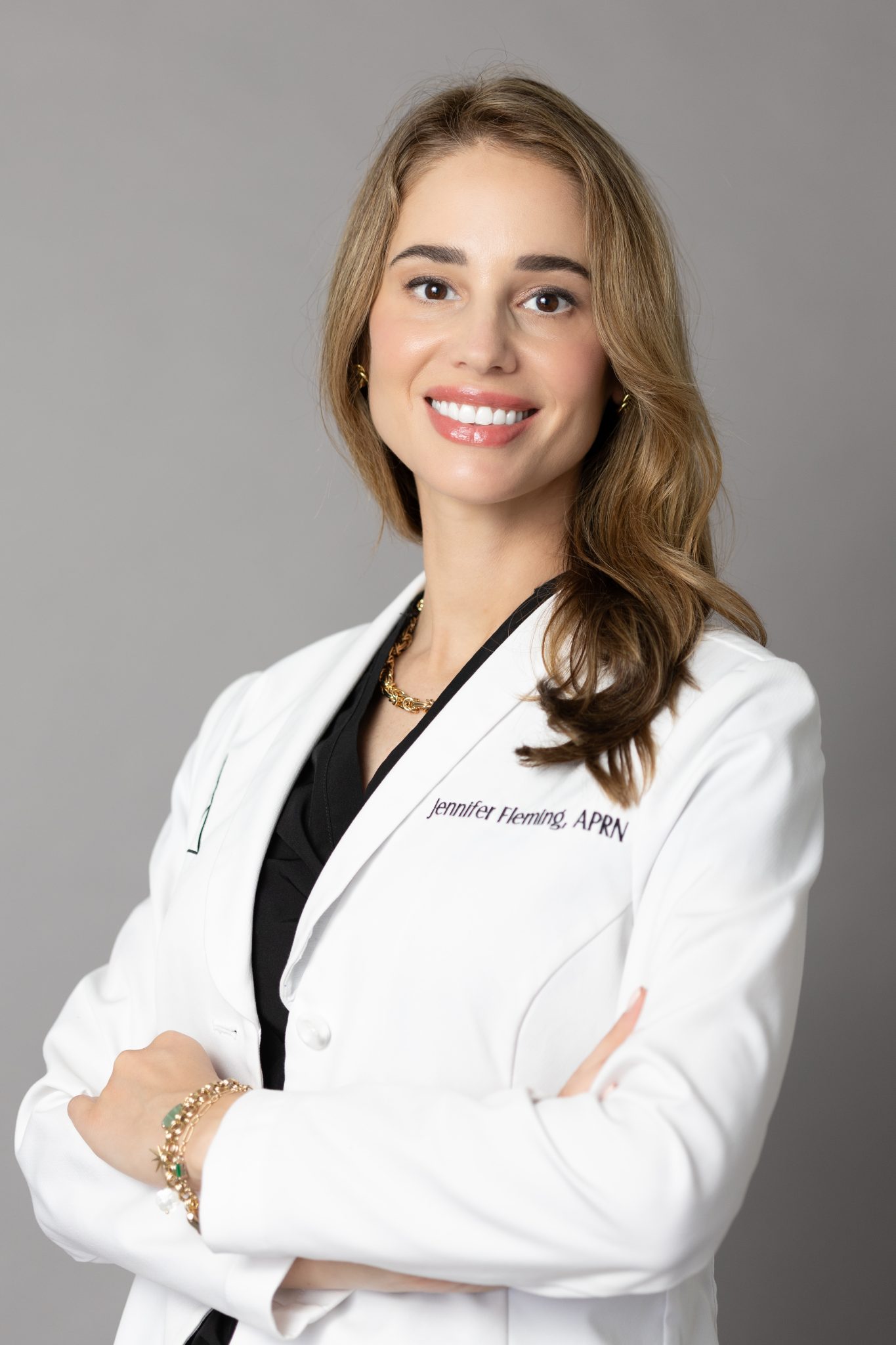
Jennifer Fleming, founder of The Alchemy Clinic, is an advanced practice nurse specializing in aesthetic and wellness medicine. As the only nurse practitioner in New Hampshire to hold the Certified Aesthetic Nurse Specialist (CANS) credential, she brings exceptional medical expertise and precision to her work. Fleming combines evidence-based practice with an artistic touch to achieve natural, confident results for her patients. She is especially passionate about educating others on the role of menopause in women’s health and beauty decisions – helping both practitioners and patients understand its long-term effects and the importance of preparation well before it begins.
No comments yet. Be the first to comment!







0 Comments