

In the treatment room, sunscreen is often where resistance appears most clearly among male clients. Many men are willing to discuss shaving adjustments, exfoliation, or product recommendations, yet daily sun protection frequently becomes the step that receives pushback. This resistance is rarely rooted in indifference toward skin health. Instead, it reflects a combination of history, cultural messaging, and habit formation.
MISSED MESSAGING
For decades, sunscreen messaging has largely been framed around beauty and antiaging concerns. Marketing historically targeted women, positioning sunscreen as a tool to prevent wrinkles or maintain youthful skin. Men were rarely included in those conversations. When sunscreen did appear in male-oriented messaging, it was often associated with outdoor recreation such as beach trips or sports rather than everyday maintenance. As a result, many men never developed the understanding that sun protection is a daily health practice rather than an occasional precaution.
DISPPROPORTIONATE EFFECTS
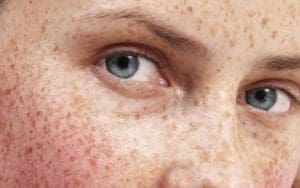
Lifestyle patterns place many men at greater cumulative risk of sun exposure. Men are statistically more likely to work outdoors, participate in recreational activities that involve extended time in the sun, and spend significant hours driving or commuting. These exposures often occur without consistent protective habits. Over time, ultraviolet radiation contributes to collagen degradation, elastosis, and structural changes that appear most prominently around the eyes, ears, neck, and scalp. The long-termimplications are significant. Research shows that melanoma incidence is approximately 60% higher in men than in women, and mortality rates from melanoma are also higher among male populations.
Despite this increased risk, sunscreen adoption remains notably low among male consumers. National health surveys show that only about 12.3% of men report consistently using sunscreen when outdoors, compared with roughly 29% of women’s usage. Other surveys have reported that fewer than 15% of men regularly apply sunscreen to exposed areas of skin. This behavioral gap highlights a significant opportunity for skin care professionals to improve education and preventive habits among male clients.
Another important consideration is the nature of sun damage itself. Unlike irritation, acne, or sensitivity, ultraviolet exposure rarely produces an immediate signal that change is occurring. The effects accumulate slowly through collagen breakdown, pigment disruption, and DNA damage within skin cells. Studies estimate that as many as 90% of melanoma cases are associated with ultraviolet radiation exposure, making sun protection one of the most powerful preventive tools available in skin care.
PREPARING FOR TOMORROW
In conversations with male skin professionals across the industry, a recurring theme continues to surface when discussing sunscreen use among male clients. Resistance is rarely about indifference toward skin health. Instead, it often comes down to perception and timing. Many men simply do not see immediate consequences from sun exposure, which makes daily sunscreen feel optional rather than essential. One voice that stood out during these conversations within our industry was Terry Esquer, master aesthetician of Skinsational Skincare, who explained the dynamic clearly:
“My male clients don’t resist SPF because they don’t care about their skin. They resist it because they don’t see immediate consequences. Education bridges the gap between what feels optional today and what prevents visible aging tomorrow.”
That observation reflects what many practitioners encounter daily. When sunscreen is framed solely as an antiaging tool, male clients often disengage from the conversation. When it is explained as structural protection that preserves the integrity of the skin barrier and underlying collagen, the discussion becomes more relevant and practical.
BARRIERS TO SPF USE
Another factor contributing to resistance is uncertainty about proper application. Many clients underestimate the amount of sunscreen necessary to achieve meaningful protection. In professional settings, simplifying this guidance can make compliance easier.
One practical visual method is the three finger rule, where sunscreen is dispensed in three lines along the index, middle, and ring finger before being applied to the face and neck. This visual guide removes guesswork and helps clients understand what adequate coverage actually looks like.
Texture preferences can also influence compliance. Many men associate sunscreen with the heavy, greasy formulas that dominated earlier generations of sun protection products. While modern formulations have evolved significantly, the perception of sunscreen as uncomfortable or inconvenient persists. Addressing these assumptions during consultation can remove a major psychological barrier to daily use.
Routine structure is another factor practitioners should consider. Many male clients maintain streamlined morning habits that leave little room for additional steps. Encouraging sunscreen application immediately after shaving or as part of an existing grooming sequence helps transform sunscreen from an extra task into a predictable part of daily maintenance.
REFRAMING THE NARRATIVE
Helping male clients adopt sunscreen as part of their daily routine comes down to how we frame the conversation. When sunscreen is presented as an optional cosmetic step, it is easy for men to dismiss it. When it is explained as a long-term investment in the structure and health of skin, the message becomes far more relevant. This idea connects directly to a quote of mine that has circulated within the skin care community for many years: “Invest in your skin. It is going to represent you for a very long time.” Sunscreen is one of the simplest ways to honor that philosophy. When men begin to see SPF not as a product recommendation but as a practical act of maintenance and long-term self-improvement, it naturally becomes part of their daily routine rather than something to resist.
Linden Tyler is a licensed aesthetician and cosmetologist, national educator, salon owner, and author with nearly two decades of experience in clinical skin care. He is a national educator for DermaplanePro and has collaborated with Look Good Feel Better since 2008, supporting individuals navigating cancer treatment through confidence-focused education. Tyler has taught nationally for professional brands including Lira Clinical and Tressa Inc. He owns The Linden & Company Salon & Spa in Northern California, where education, ethics, and long-term skin health guide practice. Readers may connect through Linden & Company Salon & Spa for education and editorial inquiries.


















0 Comments